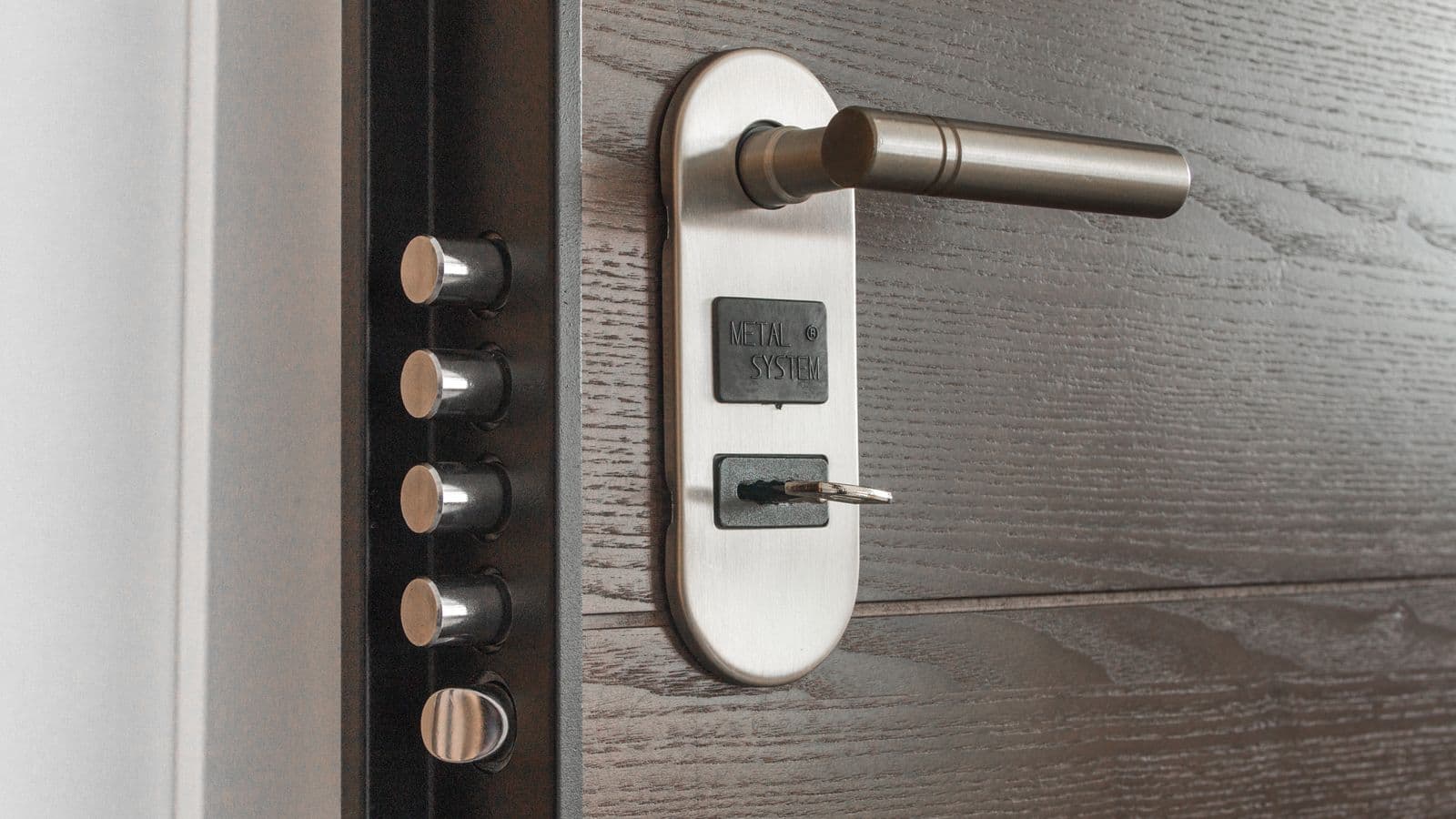
Locations, accounts, monitoring details, and reset notes for cameras and alarm systems — kept where the household can find them. Most homes only feel the gap when something breaks, goes missing, or a stranger on the phone asks for details nobody wrote down.
You will leave with a practical way to handle this that fits a real household — short enough to keep, specific enough to use under stress.
We will cover what to write down, where it should live, who can see it, and how to keep it current as gear and people change.
Home Tech Vault is useful here because devices, documents, warranties, and household sharing can live in one place — so this stays a living habit instead of a weekend project that quietly expires.
Map device locations
Get specific about “map device locations” using your rooms, people, and gear — not a generic internet checklist. Decide what is a secret versus what is just useful household context. That sounds small until you are the person on the phone trying to remember it.
If two adults share the house, name who updates this so it is not ambient guilt. Date the last review even if nothing changed, so the record feels alive.
When “map device locations” is good enough to use tonight, stop polishing and move on. Write it while the thing is in your hands; memory gets creative after a week.
The first version of these security notes should be usable tonight, not impressive next year. Keep it next to the related device or document so you are not reconstructing it from a text thread later.
If nothing changed since last time, still jot the review date — it proves the record is alive.
Note account owners
Get specific about “note account owners” using your rooms, people, and gear — not a generic internet checklist. A house sitter needs the alarm panel path, not your password manager. If two people share the house, decide who owns the update so it does not float as ambient guilt.
Leave blanks when you are unsure — a visible gap beats a confident wrong answer. Keep notes short enough that you will open them again next month.
When “note account owners” is good enough to use tonight, stop polishing and move on. The goal is calmer Tuesdays, not a museum-quality archive.
I used to overbuild systems for this. The ones that survived were shorter and lived where we already looked. That is the kind of detail that feels optional until the week you need it.
When the house and the notes disagree, believe the house and fix the notes the same day.
Write reset and re-add steps
Get specific about “write reset and re-add steps” using your rooms, people, and gear — not a generic internet checklist. Insurance wants photos, serials, and receipts more than a narrative essay. That sounds small until you are the person on the phone trying to remember it.
Date the last review even if nothing changed, so the record feels alive. When the house and your notes disagree, trust the house and fix the notes the same day.
When “write reset and re-add steps” is good enough to use tonight, stop polishing and move on. Write it while the thing is in your hands; memory gets creative after a week.
If only one person knows where the record is, you do not have a household system yet. Your future self will care more about clarity than completeness.
Share the location of this record with one other adult so it is not trapped on a single laptop.
Capture monitoring contacts
Get specific about “capture monitoring contacts” using your rooms, people, and gear — not a generic internet checklist. Travel packets should list critical devices and who to call, not every gadget you own. If two people share the house, decide who owns the update so it does not float as ambient guilt.
Keep notes short enough that you will open them again next month. If two adults share the house, name who updates this so it is not ambient guilt.
When “capture monitoring contacts” is good enough to use tonight, stop polishing and move on. The goal is calmer Tuesdays, not a museum-quality archive.
After holidays, moves, or a big purchase, schedule a twenty-minute catch-up before details evaporate. If it takes more than a minute to find, the system is still too scattered.
Stop when it is useful. A short living note beats a long abandoned one.
Keep offline access notes
Get specific about “keep offline access notes” using your rooms, people, and gear — not a generic internet checklist. If someone moves out, revoke shared access the same week — not later. If two people share the house, decide who owns the update so it does not float as ambient guilt.
If two adults share the house, name who updates this so it is not ambient guilt. Date the last review even if nothing changed, so the record feels alive.
When “keep offline access notes” is good enough to use tonight, stop polishing and move on. The goal is calmer Tuesdays, not a museum-quality archive.
Trust the physical house over stale notes — then fix the notes the same day. That is the kind of detail that feels optional until the week you need it.
When the house and the notes disagree, believe the house and fix the notes the same day.
Update after renovations
Get specific about “update after renovations” using your rooms, people, and gear — not a generic internet checklist. Keep an emergency copy reachable if the house Wi-Fi is dead. That sounds small until you are the person on the phone trying to remember it.
Leave blanks when you are unsure — a visible gap beats a confident wrong answer. Keep notes short enough that you will open them again next month.
When “update after renovations” is good enough to use tonight, stop polishing and move on. Write it while the thing is in your hands; memory gets creative after a week.
Retire old cameras
Get specific about “retire old cameras” using your rooms, people, and gear — not a generic internet checklist. Review the private vault after a breakup, roommate change, or contractor visit. If two people share the house, decide who owns the update so it does not float as ambient guilt.
Date the last review even if nothing changed, so the record feels alive. When the house and your notes disagree, trust the house and fix the notes the same day.
When “retire old cameras” is good enough to use tonight, stop polishing and move on. The goal is calmer Tuesdays, not a museum-quality archive.
Frequently asked questions
Explore Home Tech Vault
Devices, documents, maintenance, network, family sharing, pricing, and the Knowledge Center — linked from every guide.
- Organize your home device inventoryTrack laptops, TVs, appliances, and gadgets room by room.
- Store receipts, manuals, and home documentsAttach proof and PDFs to the devices they belong to.
- Browse home tech maintenance guidesSeasonal checkups, batteries, firmware, and care habits.
- Document your home networkRouter notes, Wi-Fi context, and ISP details for calmer outages.
- Share your vault with family membersHousehold roles and access boundaries without oversharing.
- Compare Free, Pro, and Family pricingSee plan limits, sharing, and what to start with.
- Explore the Knowledge CenterLong-form guides for devices, warranties, networking, and more.
Related articles
- Sensors, Cameras, and Automation Gear RecordsKeep battery sensors, cameras, and automation devices documented before they fail quietly in a closet or attic.
- What Tech Records to Store Before You TravelA pre-trip checklist for device lists, network notes, and emergency contacts when someone else is watching the house.
- Preparing Tech Records for EmergenciesFlood, fire, theft, or sudden travel — the minimum tech packet that helps you recover faster.
- Digital home vaultKeep private household records organized.
Put this into practice in Home Tech Vault
Turn the habits in this guide into a living inventory, document vault, and household record.